
Call Center Software Development

Top Benefits of Using AI in Modern Call Center Operations

In today’s fast-paced digital world, customer expectations are higher than ever. People want fast, personalized, and round-the-clock support—and traditional call centers are struggling to keep up. That’s where AI-powered call center solutions come in.

Modern AI technology is transforming the call center landscape, helping businesses streamline operations, reduce costs, and enhance customer experience—all while improving the efficiency of support teams.

For Free Consultation:
AI and ML software development
Call: +1 (945) 297-6257
Email: contact@datics.ai

At Datics.ai, we specialize in developing smart, scalable AI-powered call center software solutions designed to optimize customer support and streamline operations. Whether you’re running a small support team or managing a large-scale contact center, our AI solutions help you automate workflows, improve response times, and deliver exceptional customer experiences.

In this blog, we’ll explore the top benefits of using AI in modern call centers and how a trusted technology partner like Datics.ai can help you build smart, scalable, and future-ready solutions.

The Future of Call Centers: Smart Software That Listens, Learns, and Responds

Traditional call centers are becoming a thing of the past. Today’s businesses are shifting toward intelligent call center software powered by artificial intelligence and machine learning. These systems are designed to handle large volumes of queries, analyze real-time data, and provide meaningful interactions without the delays.

Core benefits include

  • Smart chatbots that resolve common queries instantly
  • AI-powered voice assistants that reduce call wait times
  • Real-time monitoring to track agent performance and customer sentiment
  • Predictive analytics that help forecast call traffic and optimize staffing

The result? Faster support, smarter service, and customers who feel truly heard.

Top Benefits of AI in Call Center Operations

1. 24/7 Availability and Instant Responses

AI-powered virtual agents and chatbots can handle thousands of interactions simultaneously—day or night. No wait times, no queue frustration. Customers get answers instantly, improving satisfaction and loyalty.

2. Improved First-Call Resolution (FCR)

AI uses past interactions, customer data, and intent recognition to provide quick, accurate responses. With smart call routing and real-time suggestions, first-call resolution rates go up, leading to happier customers and more efficient teams.

3. Reduced Operational Costs

By automating repetitive tasks like basic inquiries, FAQs, and appointment scheduling, AI reduces the need for large support teams. This lowers staffing and training costs while allowing human agents to focus on complex issues.

4. Real-Time Sentiment Analysis

AI tools can detect customer tone and emotion during live calls, allowing agents or supervisors to intervene if needed. This real-time insight helps de-escalate problems and boost customer retention.

5. Smarter Workforce Management

AI predicts call volumes, peak hours, and agent performance trends. This enables managers to optimize scheduling, reduce burnout, and maintain a consistently high level of service.

6. Multilingual and Omnichannel Support

AI-powered systems can understand and communicate in multiple languages and integrate across channels like phone, chat, social media, and email—ensuring consistent experiences across platforms.

7. Continuous Learning and Improvement

AI systems learn from every interaction. The more they engage, the smarter they become. Over time, your support quality gets better automatically, reducing error rates and boosting agent productivity.

8. Enhanced Compliance and Quality Assurance

AI call monitoring tools can automatically flag non-compliance, track scripts, and provide detailed performance reports—helping your business stay compliant and consistent.

Build a Call Center That Works for You, Not Against You

AI software isn’t just a tool—it’s a strategic upgrade to your entire customer support system. Whether you’re a startup or an enterprise, modern call center software helps streamline operations while reducing overhead.

What to expect from a powerful AI call center platform:

  • Easy integration with your CRM, website, and messaging apps
  • Customizable automation flows for routine and complex queries
  • Data protection and compliance with global standards
  • Performance analytics to help you make smarter business decisions

It’s time to invest in software that does more than answer calls—it grows with your business.

📞 Let’s Build a Smarter Call Center Together

Want to automate your support, cut down wait times, and deliver better customer experiences?

Book your free consultation with Datics.ai today.

📞 Call: +1 (945) 297-6257
📧 Email: contact@datics.ai
📍 Address: 1353, 701 Tillery Street Unit 12, Austin, TX, Travis, US 78702

❓FAQs

1. What is an AI call center?

An AI call center uses artificial intelligence to automate customer support functions like chatbots, call routing, voice recognition, and real-time analytics.

2. Can AI fully replace human agents?

No, AI is meant to assist, not replace. It handles repetitive tasks while human agents manage complex or emotional interactions.

3. Is AI call center software expensive?

While initial setup costs vary, AI significantly reduces long-term costs by automating tasks, improving efficiency, and reducing staffing needs.

4. How does AI improve customer satisfaction?

AI offers faster response times, 24/7 support, personalized interactions, and accurate solutions—leading to higher satisfaction rates.

5. Why choose Datics.ai for AI call center software?

Datics.ai specializes in custom, AI-driven call center solutions tailored to your business. We bring deep technical expertise and a people-first approach to every project.

🏁 Final Thoughts

AI is no longer a luxury—it’s a necessity in modern call center operations. From automating routine queries to enhancing customer relationships, the benefits of AI are transforming the way support is delivered.

At Datics.ai, we help you embrace this transformation with intelligent, scalable, and custom AI call center solutions. Let’s work together to elevate your support, cut costs, and create standout customer experiences.

Insurance Softaware Development

How Is Custom Insurance Software Changing the Industry in 2025?

In 2025, the insurance industry is experiencing a digital renaissance. From smarter claims processing to AI-powered risk analysis, custom insurance software is transforming how insurers operate, engage with customers, and scale their businesses. Traditional, one-size-fits-all systems are being replaced by tailor-made software solutions—and companies that embrace this shift are seeing major gains in efficiency, profitability, and customer loyalty.

For Free Consultation:
Insurance Software Development
📞 Call: +1 (945) 297-6257
📧 Email: contact@datics.ai

At Datics.ai, we specialize in developing intelligent, scalable insurance software solutions that leverage the power of AI and machine learning to streamline every stage of your operations. Whether you’re managing policy administration, automating claims, or enhancing customer support, our custom-built platforms help you gain real-time insights, improve efficiency, and deliver a seamless, compliant experience to your policyholders.

In this blog, we’ll break down exactly how custom software is changing the game for insurers, why it matters in 2025, and how an experienced AI-driven software development company like Datics.ai can help you lead the transformation.

🔍 Why Is the Insurance Industry Ripe for Custom Software?

Insurance is a data-heavy, compliance-driven industry that deals with complex processes like underwriting, policy management, claims handling, and customer service. These processes often involve legacy systems that are slow, disconnected, and expensive to maintain.

That’s where custom insurance software comes in. Unlike off-the-shelf products, custom software is built specifically for your operations, integrating your unique workflows, compliance needs, and growth goals.

🚀 Key Ways Custom Insurance Software Is Revolutionizing the Industry

1. Smarter Claims Management

Manual claims handling is slow, prone to errors, and frustrating for both customers and insurers. Custom solutions automate:

  • Claim submissions
  • Document verification
  • Real-time status updates
  • Fraud detection using AI and machine learning

The result? Faster settlements, lower costs, and happier customers.

2. Advanced Risk Assessment

AI-powered tools in custom software allow insurers to analyze vast datasets and predict risk more accurately. This leads to:

  • Better underwriting decisions
  • Customized premiums
  • Proactive risk mitigation strategies

With predictive analytics, you no longer react—you get ahead.

3. Improved Customer Experience

Today’s customers expect digital convenience. Custom platforms can provide:

  • Self-service portals
  • Mobile apps
  • Personalized communication
  • 24/7 chat support

This digital-first approach builds trust, encourages retention, and attracts tech-savvy policyholders.

4. Regulatory Compliance Made Easy

Insurance companies face ever-changing regulatory requirements. Custom software can:

  • Automatically update compliance features
  • Generate audit trails
  • Manage documentation securely

You stay compliant without manual work or legal risks.

5. Seamless Integration with Existing Systems

Custom software can integrate effortlessly with:

  • CRMs
  • ERPs
  • Payment gateways
  • Government databases

This ensures a unified data flow, real-time reporting, and more efficient workflows.

🧠 Why Work with Experts in Insurance Software Development?

Not all developers understand the complexity of insurance. At Datics.ai, we bring deep industry experience, combining AI expertise with domain knowledge to build solutions that are intelligent, scalable, and secure.

We specialize in:

  • AI-driven insurance automation
  • Cloud-native applications
  • Custom web platforms

When you choose Datics.ai, you’re not just getting code—you’re gaining a partner who understands your challenges and builds for your success.

🏆 Benefits of Custom Insurance Software in 2025

Benefit Impact

  • Automation Reduces manual effort and human error
  • Personalization Enhances customer experience
  • Cost Savings Cuts operational costs long-term
  • Data-Driven Decisions Improves underwriting and claims
  • Competitive Edge Positions your business as tech-forward

📞 Ready to Transform Your Insurance Business?

Whether you’re a startup looking to disrupt or an established firm aiming to modernize, custom insurance software is the key to unlocking your next level of growth.

Contact Datics.ai today to explore how our team can craft intelligent, scalable solutions for your business.

📞 Call: +1 (945) 297-6257
📧 Email: contact@datics.ai
📍 Address: 1353, 701 Tillery Street Unit 12, Austin, TX, Travis, US 78702

❓FAQs

1. What is custom insurance software?

Custom insurance software is tailor-made digital technology designed specifically for an insurance company’s needs—covering claims, policy management, underwriting, and customer support.

2. How does custom software improve claim processing?

It automates submission, verification, fraud detection, and communication, resulting in faster and more accurate settlements.

3. Is custom insurance software secure?

Yes. It can be built with the latest data encryption, access control, and compliance features (like HIPAA or GDPR) to ensure full security and legal compliance.

4. How long does it take to develop a custom solution?

It depends on your requirements, but most projects can be completed in 3–6 months with agile development cycles.

5. Why choose Datics.ai for insurance software development?

Datics.ai combines deep industry knowledge with AI expertise to deliver secure, scalable, and intelligent custom solutions for insurance companies.


1_ssFUiRLejFilDlRHBEs6cQ

What’s the Role of Mobile Apps in Modern Retail Software Solutions?

In the evolving landscape of retail, mobile apps play a crucial role in driving customer interaction, boosting sales, and providing real-time business insights. With shoppers increasingly relying on smartphones for their buying decisions, retail brands must embrace mobile app solutions as a core part of their digital strategy. Whether you’re a brick-and-mortar store going digital or an established e-commerce brand, understanding the role mobile apps play in the retail space is essential to staying relevant.

For Free Consultation:
AI and ML software development
Call: +1 (945) 297-6257
Email: contact@datics.ai

At Datics.ai, we craft intelligent, scalable mobile apps that serve as the driving force behind modern retail success. In today’s mobile-first world, these apps do more than just process transactions—they personalize the shopping experience, streamline operations, and foster deeper customer connections across every retail touchpoint. Whether you operate a single storefront or a nationwide retail chain, mobile technology is key to staying competitive and customer-focused.

Why Mobile Apps Matter in Retail ?

Consumers expect convenience, personalization, and instant access—and mobile apps deliver on all fronts. Here’s how:

1. Enhanced Customer Engagement

Mobile apps allow retailers to stay connected with customers in real time. Features like push notifications, personalized offers, loyalty programs, and app-exclusive deals help boost engagement and encourage repeat visits.

2. Personalized Shopping Experiences

Modern retail apps are powered by AI and analytics to understand user behavior. This data enables personalized recommendations, dynamic pricing, and tailored content—enhancing both customer satisfaction and conversion rates.

3. Seamless Omnichannel Experience

Mobile apps bridge the gap between online and offline shopping. Customers can browse online, check in-store availability, scan barcodes in-store for more details, and even complete purchases from their phone. It’s all about providing a consistent experience—anywhere, anytime.

4. Faster, More Secure Checkout

Mobile apps simplify the checkout process through one-click purchases, stored payment methods, mobile wallets, and even biometric authentication. A smoother checkout leads to reduced cart abandonment and increased sales.

5. Real-Time Inventory Management

For businesses, mobile apps integrated with inventory systems provide real-time stock updates. This ensures that customers see accurate product availability and reduces frustration from out-of-stock items.

6. AI-Driven Insights

Retail apps often include features powered by AI, such as voice search, visual search, and chatbots. These tools help improve the customer journey while providing valuable insights into user preferences and trends.

7. Loyalty and Retention

Loyalty programs embedded in mobile apps make it easy for customers to earn rewards, track points, and redeem offers. These features promote retention and encourage long-term relationships with your brand.

Use Cases of Mobile Apps in Retail

Let’s take a look at some practical implementations:

Fashion Retailers: Allow customers to virtually try on clothes, receive styling tips, and get real-time inventory updates.

Grocery Stores: Enable mobile ordering, curbside pickup, and delivery tracking.

Electronics & Tech: Offer product tutorials, customer support chat, and personalized recommendations based on user behavior.

Features Every Modern Retail App Should Include

If you’re planning to build or upgrade your retail mobile app, make sure it includes:

  • User-friendly interface
  • Personalized product recommendations
  • Push notifications
  • Secure and flexible payment options
  • Loyalty and rewards integration
  • Real-time inventory sync
  • Chatbot or AI assistant support

The Future of Mobile in Retail Software

The future of retail apps is powered by AI, AR/VR, and voice interfaces. As customer expectations grow, so does the need for intelligent, intuitive, and immersive mobile experiences. Retailers who adapt quickly will have a significant competitive advantage.

Let’s Turn Your Retail Vision into Reality

Ready to take your retail business to the next level with powerful mobile app solutions? At Datics.ai, we specialize in AI and ML software development tailored to your unique retail needs. Whether you’re exploring automation, personalization, or smarter customer engagement, we’re here to help. Connect with our team today for a free consultation and discover how we can bring your vision to life.

📞 Call: +1 (945) 297-6257
📧 Email: contact@datics.ai
📍 Address: 1353, 701 Tillery Street Unit 12, Austin, TX, Travis, US 78702

FAQs

1. Why are mobile apps important for retail businesses today?

Mobile apps enhance convenience, personalization, and customer engagement—three essentials for modern shoppers.

2. Can mobile apps improve customer support in retail?

Yes. With AI customer support software, apps offer 24/7 help, automated FAQs, and real-time updates.

3. How do mobile apps personalize the shopping experience?

They use AI to analyze behavior and deliver custom product recommendations, promotions, and content.

4. Are mobile apps beneficial for in-store retail as well?

Absolutely. Apps support features like self-checkout, digital loyalty programs, and proximity-based promotions.

5. How can I get started with a retail mobile app?

Partner with an experienced retail software development company to design, build, and launch a solution that fits your business goals.


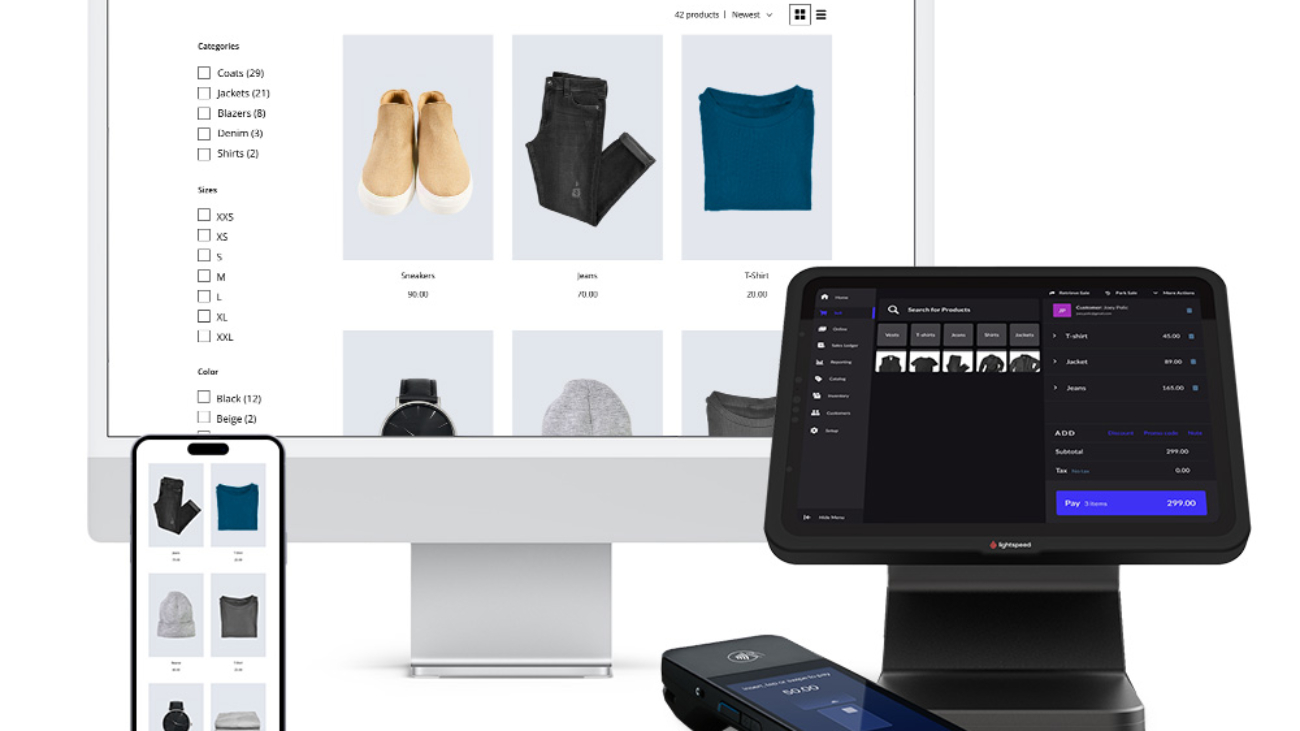
retail-software-banner

How AI Helps Retail Software Improve Customer Experience?

In today’s competitive landscape, customer experience is the key differentiator for retailers. From personalized recommendations to lightning-fast support, modern shoppers expect seamless, intuitive, and value-driven interactions. This is where AI-powered retail software development steps in.

For Free Consultation:
AI and ML software development
Call: +1 (945) 297-6257
Email: contact@datics.ai

At Datics.ai, we specialize in building smart, scalable retail software solutions that harness artificial intelligence to elevate every stage of the customer journey. Whether you’re running a small boutique or managing a multi-location chain, AI can help you unlock data-driven insights, automate engagement, and build long-term loyalty.

Why AI in Retail Software Matters More Than Ever?

Retail has evolved far beyond shelves and point-of-sale systems. Today, success depends on your ability to:

  • Understand your customer’s behavior in real-time
  • Deliver personalized experiences across channels
  • Predict trends and stock accordingly
  • Provide instant, 24/7 customer support
  • Artificial intelligence empowers all of this—and more.

With AI-powered retail software, companies can now streamline operations while focusing on what matters most: their customers.

1. Personalized Shopping Experiences

AI allows retail businesses to understand customer preferences by analyzing browsing history, purchase patterns, and real-time behavior. Retail software with AI can:

Offer personalized product recommendations

Optimize pricing based on demand and customer behavior

Display relevant promotions for individual shoppers

For example, at Datics.ai, we build custom recommendation engines using machine learning algorithms that adapt in real-time. This increases average order value, improves user satisfaction, and keeps customers coming back.

2. Smart Customer Support with AI Chatbots

One of the biggest pain points in retail is customer service. AI-based chatbots integrated into your retail software can:

  • Answer FAQs instantly
  • Handle common issues like order tracking and returns
  • Escalate complex problems to human agents seamlessly

Our team at Datics.ai creates AI customer support software that provides 24/7 assistance, reducing human workload while enhancing customer satisfaction.

3. Inventory Optimization Through Predictive Analytics

Imagine knowing what products will sell before they even hit the shelf. That’s the power of predictive analytics in retail.

AI algorithms can forecast demand based on historical data, weather trends, local events, and more. This ensures:

  • Right stock at the right time
  • Reduced overstock and understock issues
  • Improved supply chain efficiency

We help retailers design AI data pipeline systems that ensure data is clean, structured, and ready for smart forecasting and decision-making.

4. AI-Powered Retail Marketing Automation

Marketing isn’t just about pushing promotions—it’s about reaching the right customer at the right time.

AI tools in retail software can:

  • Segment audiences automatically
  • Trigger personalized email or SMS campaigns
  • Measure engagement and adjust campaigns in real-time

With AI-powered advertising software developed by experts like us at Datics.ai, you can run smarter campaigns that boost ROI and deepen customer relationships.

5. In-Store Intelligence & Smart Layouts

Physical retail is still thriving—but it’s getting smarter. AI software helps retailers track in-store traffic patterns using heatmaps and sensors. This data helps in:

  • Optimizing store layouts
  • Placing high-demand products in high-visibility areas
  • Managing staff based on peak hours

Our retail software development team uses generative AI and computer vision tools to support retailers with cutting-edge features that blur the line between physical and digital retail.

What to Look for in a Retail Software Development Partner?

Choosing the right partner for your retail software development project is a critical step in leveraging AI successfully. Here are key qualities to consider when evaluating development firms:

🔹 Industry Understanding
Look for a team that truly understands the retail landscape—your challenges, customer expectations, and the competitive pressures you face.

🔹 Scalability & Flexibility
A good software partner should build solutions that grow with your business. From MVPs to full-scale platforms, flexibility is essential.

🔹 Focus on Real-World Results
Beyond flashy features, the software should deliver measurable results, whether it’s reducing cart abandonment, boosting sales, or improving customer satisfaction.

🔹 Long-Term Collaboration
AI is not a one-and-done implementation. Choose a team that offers ongoing support and iterative improvements and keeps up with evolving technologies.

Whether you’re planning to develop an AI text summarizer, integrate personalized shopping experiences, or automate your retail operations, aligning with the right development approach ensures sustainable impact.

Let’s Build Something Smart—Together

Investing in AI isn’t just a tech upgrade—it’s a strategic move. With custom-built AI solutions from Datics.ai, you can:

  • Delight customers with every interaction
  • Operate more efficiently
  • Make data-driven decisions with confidence

📞 Call: +1 (945) 297-6257
📧 Email: contact@datics.ai
📍 Address: 1353, 701 Tillery Street Unit 12, Austin, TX, Travis, US 78702

Let’s talk about how we can build your next retail innovation.

🔍 FAQs: AI in Retail Software

1. What is AI in retail software development?

AI in retail software involves using machine learning, natural language processing, and predictive analytics to automate processes, personalize experiences, and improve decision-making.

2. How does AI improve customer service in retail?

AI chatbots offer instant support, reduce wait times, and handle routine queries—allowing human agents to focus on complex issues.

3. Is AI retail software suitable for small businesses?

Absolutely. AI solutions like inventory forecasting and personalized marketing are scalable and can offer huge benefits to small retailers.

4. How much does it cost to develop AI retail software?

Costs vary based on features and complexity, but Datics.ai offers flexible solutions designed to fit different budgets and business needs.

5. Can AI help reduce product returns?

Yes. AI can offer better product recommendations, size predictions, and support—leading to more accurate purchases and fewer returns.

Final Wording

Retail success in 2025 depends on how well you know and serve your customers—and AI is the ultimate tool to make that happen. Whether you’re looking to personalize experiences, streamline operations, or automate support, Datics.ai is your trusted retail software development partner.

226b2447-retail_products_inventory-management_half-width-1

How to Streamline Inventory Management with Retail Software?

The Real Cost of Poor Inventory Management

In retail, inventory isn’t just about products—it’s about profit. Poor inventory control can lead to stockouts, overstocking, wasted resources, and unhappy customers. According to recent U.S. retail data, stockouts and overstocks cost retailers over $1 trillion annually.

Smart retailers are turning to custom inventory management software—intelligent solutions that offer real-time visibility, control, and accurate forecasting. By choosing the right AI development partner, businesses can ensure seamless integration, access to advanced technology, and scalable systems that boost efficiency and fuel long-term growth

For Free Consultation:
AI and ML software development
Call: +1 (945) 297-6257
Email: contact@datics.ai

At Datics.ai, we specialize in custom retail software development, helping businesses integrate intelligent solutions tailored to their unique needs.

Why Inventory Management Matters in 2025?

Whether you run a small local shop or a multi-store franchise across the U.S., inventory is your backbone. Streamlined inventory management ensures:

  • Products are available when and where customers want them
  • Warehouses aren’t overloaded or understocked
  • You don’t tie up capital in unsold inventory
  • You make data-driven decisions—not guesses

And in 2025, customer expectations are higher than ever. They want fast delivery, online-to-store pickup, and out-of-stock notifications in real-time. If your system can’t handle that, your competitors will.

The Role of Inventory Software in Modern Retail Operations

Inventory management software plays a key role in helping retailers streamline their day-to-day operations. It enables businesses to:

  • Monitor product quantities across multiple locations
  • Receive instant alerts for low-stock items
  • Accurately forecast future demand
  • Automate the reorder process
  • Seamlessly sync with POS systems and eCommerce platforms
  • Eliminate manual errors and improve accuracy

When designed specifically for your business, custom retail software gives you even greater control. It adapts to your workflow, improves efficiency, and supports growth with features tailored to your unique operational needs.

How Retail Software Streamlines Inventory Management

Let’s explore exactly how retail software can transform your inventory operations.

  1. Real-Time Inventory Tracking

Custom retail software allows you to monitor stock levels in real time whether in-store, in a warehouse, or in transit.

  • No more manual spreadsheets
  • Instantly see what’s selling and what’s not
  • Sync inventory across online and physical stores

This level of transparency helps you make fast, accurate decisions.

  1. Automatic Reordering and Restocking

Avoid stockouts by setting up automated reorder points. When inventory reaches a certain threshold, the system can:

  • Notify you
  • Trigger an auto-purchase order
  • Or even place an order directly with your supplier

This saves time and prevents lost sales due to out-of-stock products.

  1. Smarter Demand Forecasting

Using historical sales data and AI algorithms, retail software helps you predict demand—especially during peak seasons.

  • Avoid overstocking items that won’t sell
  • Be prepared for high-demand periods (like Black Friday)
  • Adjust inventory based on trends and promotions

Forecasting isn’t just for big-box retailers—it’s now affordable and accessible for everyone with custom software.

  1. Centralized Inventory Across Channels

Do you sell on Shopify, Amazon, and in-store? Custom software integrates all your sales channels so that:

  • Inventory is updated automatically, no matter where the sale happens
  • You don’t accidentally oversell
  • Customers always get accurate availability info

It simplifies multi-channel retailing—one of the biggest challenges for modern retailers.

  1. Barcode Scanning and Mobile Access

Most custom retail systems come with mobile apps and barcode scanning. This makes it easy to:

  • Receive shipments
  • Perform stock counts
  • Transfer stock between locations
  • Reduce manual errors

Employees can do more from their mobile device—saving time and increasing accuracy.

  1. Analytics and Reporting

Want to know your bestsellers? Deadstock? Fastest-moving SKUs?

Your software gives you detailed reports so you can:

  • Make smarter purchase decisions
  • Improve cash flow
  • Plan better promotions
  • Eliminate slow-moving products

Analytics turn raw data into business intelligence—something spreadsheets can’t do.

  1. Integration with POS and Accounting

Retail software should not operate in a silo. With the right development team, your inventory software can sync with:

  • Your POS system (sales auto-update inventory)
  • Your accounting software (auto-track cost of goods)
  • Your eCommerce site (real-time availability shown to customers)

This streamlines operations across your business.

Benefits of Custom Inventory Software for U.S. Retailers

Unlike off-the-shelf tools, custom software gives you flexibility, scalability, and control. Here’s why retailers are making the switch:

  •  Built to match your business processes
  • Scales with your growth
  • No unnecessary features—just what you need
  • Easier employee onboarding
  • Long-term ROI

Who Needs This Software?

If you’re facing any of these challenges, it’s time for an upgrade:

  • You lose track of stock across multiple stores
  • You waste money on unsold inventory
  • You’re constantly doing manual inventory audits
  • You run frequent sales but can’t track performance
  • You want to offer same-day pickup or fast delivery

Datics.ai specializes in developing tailor-made inventory management systems for retailers across the U.S., helping brands eliminate friction and scale faster.

Final Verdict: Upgrade Now to Stay Competitive

Inventory software is no longer a luxury—it’s a necessity. In 2025, with rising competition, shifting customer demands, and tighter margins, smart inventory management can mean the difference between profit and loss.

Whether you’re a clothing retailer, electronics shop, or grocery chain—custom retail software gives you the tools to manage stock like a pro.

Let’s Build Your Retail Inventory Solution

At Datics.ai, we build custom retail software that streamlines inventory, integrates with your systems, and gives you total control. Whether you’re upgrading an old system or starting from scratch, we’re here to help.

📞 Call: +1 (945) 297-6257
📧 Email: contact@datics.ai
📍 Address: 1353, 701 Tillery Street Unit 12, Austin, TX, Travis, US 78702

FAQs

  1. What is inventory management software used for in retail?

    It helps retailers track stock levels, automate reorders, forecast demand, and reduce errors across all sales channels.

  2. Can custom inventory software integrate with my existing POS and website?

    Yes! Custom solutions can be built to integrate with your POS system, eCommerce platform, and accounting software.

  3. Is custom software more expensive than off-the-shelf tools?

    It can have a higher upfront cost but offers better ROI over time due to efficiency, automation, and scalability.

  4. How long does it take to build a custom retail inventory system?

    On average, development can take 6–12 weeks depending on your needs, integrations, and features.

  5. Do you offer support and updates after development?

    Yes, Datics.ai provides ongoing maintenance, support, and upgrades to keep your system running smoothly.


images (20)

How Is AI Transforming the Future of Transportation?

The transportation industry is evolving faster than ever, and at the heart of this change is artificial intelligence (AI). From smart traffic systems to autonomous vehicles, AI is driving innovations that are reshaping how people and goods move. Choosing the right AI partner ensures seamless integration, cutting-edge technology, and scalable AI-driven solutions that optimize efficiency and drive growth.

For Free Consultation:
AI and ML software development
Call: +1 (945) 297-6257
Email: contact@datics.ai

As transportation becomes more connected and data-driven, companies that embrace AI software are gaining a clear edge—enhancing safety, efficiency, sustainability, and user experience.

Let’s explore how AI is revolutionizing the future of transportation and why now is the right time to invest in AI-powered solutions.

  1. AI-Powered Fleet Management

One of the most impactful uses of AI in transportation is smart fleet management. AI software helps businesses manage their vehicle fleets in real time by analyzing routes, fuel usage, driver behavior, and maintenance needs.

With AI, companies can:

  • Optimize delivery schedules
  • Cut fuel costs through smarter routing
  • Monitor vehicle health and prevent breakdowns
  • Improve driver safety with real-time alerts

It helps optimize routes in real-time, reducing fuel consumption and delivery times. AI also predicts vehicle maintenance needs, preventing unexpected breakdowns. With better tracking and smarter scheduling, companies can serve more customers with fewer resources.

  1. Predictive Maintenance for Safer Roads

Traditional vehicle maintenance is often reactive—something breaks, and then it’s fixed. But with AI, it becomes predictive.

Using data from vehicle sensors, AI can detect early signs of wear and tear. It alerts managers or drivers before something fails, helping to

  • Prevent accidents
  • Avoid unexpected breakdowns
  • Extend vehicle lifespan
  • Lower repair costs

It ensures vehicles stay on the road longer without costly delays. Fleet managers can schedule maintenance in advance, avoiding interruptions to service or delivery timelines. In the long run, this leads to smarter budgeting, reduced operational costs, and higher customer satisfaction.

  1. Smart Traffic Systems for Smoother Commutes

Traffic congestion costs billions in lost productivity and fuel each year. AI is helping cities fight this with intelligent traffic management systems.

By analyzing data from cameras, sensors, and GPS devices, AI systems can:

  • Adjust traffic light timings in real-time
  • Predict congestion before it happens
  • Guide drivers toward less busy routes
  • Improve emergency response times

This leads to smoother traffic flow, reduced fuel consumption, and a better driving experience for everyone on the road.

  1. Autonomous Vehicles: The Future on Wheels

Self-driving cars and trucks may still be emerging, but AI is already powering key aspects of autonomous driving today.

With the help of AI, vehicles can:

  • Recognize road signs and lane markings
  • Detect pedestrians and other vehicles
  • Make safe driving decisions based on real-time data

AI software also plays a critical role in training autonomous systems using simulations and real-world driving data. As this technology advances, it promises to make roads safer, especially by reducing accidents caused by human error.

  1. Enhanced Passenger and Customer Experience

AI is also transforming the passenger experience. Whether it’s a public bus, a ride-share app, or a private car service, transportation companies are using AI to personalize journeys and improve satisfaction.

AI-driven features include:

  • Real-time arrival updates
  • Predictive ride demand
  • Dynamic pricing models
  • Smart voice assistants in vehicles

With AI, businesses can deliver a smoother, faster, and more enjoyable experience that keeps customers coming back.

  1. Sustainability Through Smarter Transportation

AI is playing a growing role in building greener transport solutions. It helps reduce carbon emissions by:

  • Optimizing fuel consumption
  • Supporting the transition to electric vehicles (EVs)
  • Managing energy-efficient transport schedules
  • Helping cities reduce congestion and air pollution

As more businesses and governments prioritize sustainability, AI software becomes an essential tool in creating an eco-friendly future.

  1. Why AI Software Development Matters Now

Transportation is no longer just about moving from point A to point B. It’s about doing it faster, safer, cleaner, and smarter. To stay competitive in this fast-changing market, companies must invest in AI solutions tailored to their specific needs.

At Datics.ai, we specialize in building custom AI software for transportation companies looking to innovate. Whether you’re managing a fleet, launching a mobility platform, or planning smart city infrastructure, we can help you harness the power of AI to achieve real results.

Driving the Future of Transportation

AI is not just transforming transportation—it’s redefining it. From intelligent fleet systems to predictive maintenance, smart traffic control, and autonomous vehicles, AI is improving how we move every day.

Companies that adopt AI now will be the leaders of tomorrow’s transportation landscape.

 Ready to Transform Your Transport Business with AI?

Let Datics.ai help you build the future of transportation.
Call: +1 (945) 297-6257
Email: contact@datics.ai
Address: 1353, 701 Tillery Street Unit 12, Austin, TX, Travis, US 78702

FAQs

  1. What are the main benefits of using AI in transportation?

    AI helps improve safety, reduce costs, optimize routes, and enhance passenger experiences through data-driven decisions.

  2. How does AI improve fleet management?

    AI analyzes vehicle and driver data to optimize routes, monitor performance, and prevent maintenance issues before they occur.

  3. Can AI help reduce traffic congestion?

    Yes, AI powers smart traffic systems that predict and manage traffic flow in real-time, improving overall road efficiency.

  4. Is AI important for sustainability in transportation?

    Absolutely. AI helps reduce fuel use, supports EV integration, and promotes smarter travel choices, leading to lower emissions.

  5. How can Datics.ai help my transportation business?

    We build custom AI software solutions tailored to your transport challenges—whether it’s fleet management, traffic control, or customer experience.


Will-AI-Replace-Software-Developers_

Will Software Developers Be Replaced by AI?

Artificial intelligence (AI) is rapidly transforming industries across the globe—and software development is at the forefront of this revolution. With the rise of advanced AI models like ChatGPT and code-generation tools such as GitHub Copilot, a common question echoes across boardrooms and development teams:

Understanding AI’s Role in Software Development

In this blog, we’ll unpack this concern from multiple angles—technology, business, and human expertise—and explore why AI is not a threat to developers but a powerful tool to enhance their capabilities. We’ll also discuss how businesses can strategically adopt AI in software development and drive meaningful innovation.

For Free Consultation:
https://staging.datics.ai/complete-software-product-development/
Call: +1 (945) 297-6257
Email: contact@datics.ai

The Short Answer: No, AI Won’t Replace Developers

AI can generate code, automate tasks, and even help debug—but it cannot replace the core functions that make developers indispensable. Software development is not just about writing lines of code—it’s about solving complex problems, designing systems, and aligning technology with business goals.

While AI might handle repetitive or boilerplate tasks, developers are still required for

  • Creative problem-solving
  • Strategic decision-making
  • Architecture planning
  • Ethical and secure implementations
  • Cross-functional collaboration

AI Is a Powerful Ally, not a competitor

Let’s be clear: AI is transforming how developers work, not replacing them.

Here’s how AI is enhancing software development:

  • Code Generation: Tools like Copilot help suggest code snippets, accelerating development time.
  • Bug Detection: AI can analyze thousands of lines of code to detect bugs and vulnerabilities early.
  • Testing Automation: AI streamlines testing cycles through smart test case generation and execution.
  • Documentation & Refactoring: AI assists in generating clean, well-commented, and optimized code.

By handling the grunt work, AI allows developers to focus on higher-value tasks, such as innovation, user experience, and scalability.

It’s Not Just About AI—It’s About Who Builds It

Choosing the right AI software development partner is crucial in today’s fast-evolving digital landscape. Businesses need more than just code—they need intelligent solutions built with a deep understanding of industry challenges, user behavior, and long-term scalability. A strong development team doesn’t just write software; they create systems that adapt, learn, and deliver measurable outcomes. With a people-first approach, proven technical expertise, and a focus on building secure, future-ready applications, the right partner ensures your AI investments lead to real business growth. It’s not about replacing people with machines—it’s about empowering teams with technology that works smarter, faster, and more effectively.

The Future Belongs to Developers Who Embrace AI

Instead of fearing AI, today’s software professionals—and the businesses that hire them—must learn to leverage AI tools as part of their tech stack. Developers who adopt AI will:

  • Work more efficiently
  • Reduce development time and costs
  • Build more robust, scalable solutions
  • Drive faster go-to-market strategies

The most competitive businesses of the next decade will be those that combine human creativity with AI-powered precision.

Future-Proof Your Business with AI Software Development

Integrating AI into your digital systems isn’t just a trend—it’s a business imperative. From automating workflows to building smart customer interactions, AI unlocks new value across every touchpoint.

Whether you need a machine learning model, an AI-enhanced platform, or custom software infused with smart automation, AI can significantly improve your product’s performance and ROI.

However, success depends on execution—and that’s where working with AI specialists becomes essential

Ready to Build Smarter Software?

If you’re looking to stay ahead of the curve and integrate AI into your software, now is the time to act. At Datics.ai, we specialize in building intelligent, scalable, and business-focused AI software solutions.

📞 Call: +1 (945) 297-6257
📧 Email: contact@datics.ai
📍 Address: 1353, 701 Tillery Street Unit 12, Austin, TX, Travis, US 78702

Let’s build what’s next—together.

FAQs

  1. Can AI code an entire application from scratch?

No. AI can generate parts of an application, but a full, secure, and functional app still requires planning, logic, and oversight from human developers.

  1. Will software development jobs disappear because of AI?

Not at all. Roles will evolve, but the demand for skilled developers—especially those who know how to work with AI—will remain strong.

  1. Is AI-generated code production-ready?

Only after review. Developers must validate AI-generated code for logic, security, and performance before deployment.

  1. What are the business benefits of AI-enhanced development?

Faster time-to-market, reduced costs, improved scalability, better user experiences, and predictive capabilities.

  1. How do I get started with AI in software development?

Partner with an experienced AI software development company that understands your business and can design solutions aligned with your goals.

download (3)

How Does Automotive Software Improve Vehicle Safety in 2025?

As we head into 2025, the automotive industry is transforming rapidly, with technology playing a key role in improving vehicle safety. The integration of automotive software is no longer a luxury but a necessity for modern vehicles, offering innovative solutions that help prevent accidents, protect drivers and passengers, and enhance overall road safety.

For Free Consultation:
https://staging.datics.ai/complete-software-product-development/
Call: +1 (945) 297-6257
Email: contact@datics.ai

At Datics.ai, we specialize in automotive software development, helping businesses integrate intelligent solutions tailored to their unique needs.

In this blog, we’ll explore how automotive software is revolutionizing vehicle safety and why it’s crucial for manufacturers to invest in this technology to stay ahead in the competitive market.

  1. The Rise of Advanced Driver-Assistance Systems (ADAS)

One of the most prominent ways automotive software is improving vehicle safety is through Advanced Driver-Assistance Systems (ADAS). These systems use sensors, cameras, and algorithms to assist drivers in making safe decisions. ADAS technology includes features like automatic emergency braking, lane departure warnings, adaptive cruise control, and collision avoidance systems.

In 2025, these features are becoming smarter and more reliable. With the help of AI-driven automotive software, these systems can process data from multiple sources in real-time to anticipate and react to potential hazards. For example, AI algorithms can detect pedestrians, cyclists, and other vehicles, allowing the car to respond instantly, reducing the risk of accidents.

  1. Enhanced Predictive Maintenance

Automotive software also plays a vital role in ensuring vehicles remain in safe operating condition through predictive maintenance. By collecting data from sensors installed in various vehicle components, software can predict potential failures before they occur, such as engine malfunctions, brake issues, or tire wear.

This early warning system not only helps keep drivers safe but also minimizes costly repairs. The software uses machine learning algorithms to track vehicle health and provides maintenance alerts when certain parts need attention. This allows drivers to address issues before they become safety hazards on the road, ensuring a smoother and safer driving experience.

  1. Vehicle-to-Vehicle (V2V) Communication

Vehicle-to-vehicle (V2V) communication is another groundbreaking development in automotive safety. V2V allows vehicles to communicate with each other, sharing real-time data about their speed, position, and direction. This information is invaluable for preventing collisions, especially in situations where visibility is limited, such as during foggy weather or at blind intersections.

Automotive software makes this communication seamless, enabling vehicles to act in sync and warn drivers of potential collisions. For example, if a car ahead suddenly brakes, the system can alert the following vehicle and automatically adjust its speed to prevent a rear-end collision.

  1. Autonomous Driving and Full Self-Driving Vehicles

In 2025, autonomous driving is closer than ever to becoming a reality for everyday vehicles. While fully autonomous vehicles may not be widespread yet, automotive software is paving the way for self-driving cars by providing the necessary technology for vehicle navigation, control, and safety.

Self-driving cars use a combination of sensors, cameras, radar, and LiDAR to monitor their environment and make decisions. Automotive software interprets the data from these sensors to control the vehicle’s movements, from steering and braking to acceleration. This technology ensures that the vehicle follows traffic rules, avoids obstacles, and adapts to changing road conditions, improving safety for both the passengers and pedestrians.

  1. Real-Time Traffic and Hazard Detection

Automotive software has also improved safety by providing real-time traffic and hazard detection. With the help of GPS, mapping software, and traffic data, vehicles can now receive updates about road conditions, accidents, and traffic jams. This information helps drivers adjust their routes or driving behavior accordingly, reducing the risk of accidents caused by sudden road changes.

Additionally, modern software can detect environmental hazards, such as icy roads, floods, or construction zones, and alert drivers in advance. This proactive safety measure ensures that drivers are well-prepared and can take necessary precautions to avoid dangerous situations.

  1. Driver Behavior Monitoring

Automotive software can now track and analyze a driver’s behavior, offering insights into their driving habits. Through in-car sensors and cameras, the software can monitor things like speed, braking patterns, and seatbelt usage. If it detects risky behaviors, such as sudden acceleration or sharp turns, it can alert the driver and encourage safer driving.

This technology is especially useful for fleet management companies, where monitoring driver behavior can help reduce accidents, improve fuel efficiency, and lower insurance costs. For individual drivers, it offers peace of mind knowing that their vehicle is working to promote safer driving habits.

  1. The Role of AI in Improving Vehicle Safety

Artificial InintelligenceAI) is the driving force behind many of these safety innovations. AI algorithms can analyze large amounts of data in real-time, learning from past events to predict potential safety risks. This ability to process and react to data quickly and accurately allows vehicles to adapt to constantly changing road conditions.

AI is also instrumental in the development of self-driving cars, where it helps the vehicle make decisions in complex environments, such as navigating through traffic or responding to unpredictable events like pedestrians crossing the road unexpectedly.

Shaping Vehicle Safety in 2025

In 2025, automotive software is making vehicles safer than ever before. From advanced driver-assistance systems to AI-powered autonomous driving, the integration of software in vehicles is reducing accidents, preventing injuries, and saving lives. As technology continues to evolve, the role of automotive software in improving safety will only grow, offering exciting new possibilities for the future of transportation.

FAQs

  1. How does automotive software improve vehicle safety?

    Automotive software enhances safety through features like Advanced Driver-Assistance Systems (ADAS), predictive maintenance, real-time traffic updates, and vehicle-to-vehicle communication, all designed to reduce the risk of accidents and improve driver awareness.

  2. What is ADAS, and how does it work?

    ADAS (Advanced Driver-Assistance Systems) uses sensors, cameras, and algorithms to assist drivers with tasks like lane-keeping, automatic braking, and collision avoidance, making driving safer.

  3. Can automotive software prevent accidents?

    Yes, automotive software can significantly reduce the likelihood of accidents by providing real-time alerts, automating emergency braking, and enhancing situational awareness through systems like ADAS and V2V communication.

  4. What role does AI play in automotive safety?

    AI helps automotive software process and analyze data quickly, enabling real-time decision-making to improve safety features like autonomous driving and hazard detection.

  5. Are self-driving cars safer than human drivers?

    While fully autonomous cars are still in development, AI-powered systems in self-driving cars have the potential to reduce accidents caused by human error, offering enhanced safety in various driving conditions.

Ready to Enhance Your Vehicle’s Safety?

At Datics.ai, we specialize in developing advanced automotive software solutions that prioritize safety, performance, and innovation. Contact us today to explore how our custom software can elevate your vehicle’s safety features and drive your business forward.

📞 Call: +1 (945) 297-6257
📧 Email: contact@datics.ai
📍 Address: 1353, 701 Tillery Street Unit 12, Austin, TX, Travis, US 78702

images (15)

Healthcare Software Development: The Future of Healthcare

The healthcare industry is evolving rapidly, driven by advancements in technology. Healthcare software development plays a crucial role in enhancing patient care, optimizing operations, and improving overall efficiency. By leveraging AI-powered solutions, healthcare organizations can streamline workflows, reduce errors, and improve patient outcomes.

For Free Consultation:
AI and ML software development
Call: +1 (945) 297-6257
Email: contact@datics.ai

At Datics.ai, we specialize in healthcare software development, helping businesses integrate intelligent solutions tailored to their unique needs.

Healthcare providers face numerous challenges, from managing patient records to ensuring data security and compliance. Custom healthcare software solutions address these challenges by offering automation, real-time data access, and seamless integration with existing healthcare systems.

Key Benefits of Healthcare Software Development

  • Enhanced Patient Care: AI-powered tools help doctors make accurate diagnoses and provide personalized treatment plans.
  • Streamlined Operations: Automation reduces administrative burdens, allowing healthcare providers to focus on patient care.
  • Improved Data Security: Compliance with HIPAA and other regulations ensures patient data is protected.
  • Cost Efficiency: Reduces operational costs by minimizing errors and optimizing resource allocation.
  • Real-time Monitoring: Remote patient monitoring enables proactive healthcare delivery and better outcomes.

Services Offered by Healthcare Software Development Companies


A healthcare software development company provides various solutions tailored to industry-specific needs. Some of the key services include:

  1. Electronic Health Records (EHR) & Electronic Medical Records (EMR) Systems

Custom EHR/EMR solutions enable healthcare providers to store, manage, and access patient data securely.

  1. Telemedicine Software Development

Telehealth platforms allow remote consultations, improving patient access to healthcare services.

  1. AI-Powered Medical Diagnostics

AI-driven tools assist doctors in diagnosing diseases with higher accuracy and speed.

  1. Healthcare Mobile Apps

Mobile applications provide patients with appointment scheduling, medication reminders, and health tracking features.

  1. Healthcare Data Analytics & Predictive Modeling

AI-powered data analytics help in identifying trends, predicting disease outbreaks, and improving decision-making.

Choosing the Right Healthcare Software Development Partner

Selecting a reliable healthcare software development company is crucial for ensuring successful implementation. Consider the following factors:

  1. Industry Expertise

Choose a company with a proven track record in healthcare software development.

  1. Compliance & Security

Ensure adherence to HIPAA, GDPR, and other regulatory standards.

  1. AI & Machine Learning Capabilities

Look for expertise in AI-driven healthcare solutions.

  1. Scalability & Integration

The software should integrate seamlessly with existing healthcare systems and scale as needed.

  1. Post-Development Support

Ongoing maintenance and support are essential for ensuring long-term efficiency and security.

How Healthcare Software Development Drives Industry Growth

Healthcare software solutions are reshaping the industry by:

  • Enabling Data-Driven Decisions: AI analytics provide insights for better patient care.
  • Enhancing Patient Engagement: Mobile apps and portals improve communication between patients and providers.
  • Optimizing Hospital Operations: Automated workflows reduce administrative workload and improve efficiency.
  • Improving Medical Research: AI accelerates drug discovery and disease research.

Future of Healthcare Software Development

Emerging technologies such as AI, blockchain, and IoT are shaping the future of healthcare software development. AI-driven automation, remote patient monitoring, and advanced data analytics will continue to improve healthcare delivery and patient outcomes.

FAQs

  1. What is healthcare software development?

Healthcare software development involves designing, building, and maintaining digital solutions to improve healthcare operations, patient care, and data management.

  1. How can AI enhance healthcare software?

AI improves diagnostics, automates workflows, enables predictive analytics, and enhances patient engagement through intelligent automation.

  1. Is healthcare software secure and compliant?

Yes, reputable software development companies ensure compliance with HIPAA, GDPR, and other industry regulations for data security and patient privacy.

  1. How long does it take to develop healthcare software?

The timeline varies depending on complexity, features, and integration requirements, typically ranging from a few months to over a year.

  1. What are the costs involved in healthcare software development?

Costs depend on project scope, complexity, and required features. A consultation with an experienced development firm provides a tailored estimate.

Healthcare software development is revolutionizing the medical industry, enabling efficient patient management, enhanced diagnostics, and optimized hospital operations. Partnering with an expert software development company ensures seamless integration, compliance, and innovative AI-driven solutions.

Partner with Datics.ai for Cutting-Edge Healthcare Software Solutions Looking for innovative healthcare software development? Our team at Datics.ai specializes in AI-driven solutions tailored to your healthcare needs. Contact us today for a consultation.

📩 Email: contact@datics.ai
📞 Call: +1 (945) 297-6257
📍 Address: 1353, 701 Tillery Street Unit 12, Austin, TX, Travis, US 78702
🌐 Website: www.datics.ai

images (14)

App Development Company: Turning Ideas into Powerful Apps

In today’s digital era, mobile applications are essential for businesses to engage customers, streamline operations, and drive revenue. Whether it’s a startup or an enterprise, partnering with a reliable app development company ensures the creation of feature-rich, scalable, and user-friendly applications tailored to business needs.

For Free Consultation:
AI and ML software development
Call: +1 (945) 297-6257
Email: contact@datics.ai

At Datics.ai, we specialize in custom AI and ML software development, helping businesses integrate intelligent solutions tailored to their unique needs.

Why Businesses Need an App Development Company?

App development companies provide expertise, advanced tools, and industry insights to design and develop high-performance mobile applications. They offer end-to-end services, ensuring a seamless user experience and robust functionality.

Key Benefits of Hiring an App Development Company

  • Expertise in Mobile Technologies: Skilled developers proficient in iOS, Android, and cross-platform frameworks.
  • Customized App Solutions: Tailor-made applications that align with business goals.
  • Seamless Integration: Compatibility with existing business systems and third-party services.
  • User-Centric Design: Intuitive UI/UX that enhances customer engagement.
  • Scalability & Security: Apps designed for future growth with top-notch security measures.

Services Offered by App Development Companies

An app development company provides various services to cater to different business requirements. These include:

  1. Native App Development

Developing platform-specific apps for iOS and Android using Swift, Kotlin, or Java for optimized performance.

  1. Cross-Platform App Development

Building applications that run seamlessly on both iOS and Android using frameworks like Flutter and React Native.

  1. UI/UX Design

Creating visually appealing and user-friendly interfaces that enhance the customer experience.

  1. Enterprise App Development

Custom enterprise solutions that improve workflow efficiency and business processes.

  1. App Maintenance & Support

Ongoing updates, performance monitoring, and security enhancements to ensure optimal app functionality.

Choosing the Right App Development Company

Selecting the right app development partner is crucial for app success. Consider these factors:

  1. Industry Experience

Look for a company with a proven track record of successful app development projects.

  1. Skilled Development Team

Ensure the company has experienced developers, designers, and project managers.

  1. End-to-End Development Services

From ideation to deployment, the company should offer complete app development solutions.

  1. Scalability & Future-Readiness

Choose a company that builds apps capable of growing with your business needs.

  1. Security & Compliance

Data security and compliance with industry standards are essential for app reliability.

How App Development Companies Drive Business Growth?


Mobile apps enhance customer engagement, increase brand visibility, and streamline business processes. Here’s how:

  • Enhanced Customer Engagement: Apps provide a direct and personalized communication channel with customers.
  • Operational Efficiency: Automating processes through apps improves productivity.
  • Data-Driven Insights: Analytics help businesses understand user behavior and improve services.
  • Revenue Growth: E-commerce and subscription-based apps generate additional revenue streams.

Future of App Development

The app development landscape is evolving with AI integration, augmented reality, and cloud-based solutions. Businesses adopting these technologies gain a competitive edge and enhance user experiences. A professional app development company ensures your mobile app stands out with innovative features, seamless functionality, and a user-first approach. Whether you need a native, cross-platform, or enterprise solution, partnering with experts guarantees success.

Partner with Datics.ai for Expert App Development Ready to build a high-performance mobile app? Our team at Datics.ai is here to create scalable and user-friendly solutions for your business. Contact us today!

📩 Email: contact@datics.ai
📞 Call: +1 (945) 297-6257
📍 Address: 1353, 701 Tillery Street Unit 12, Austin, TX, Travis, US 78702
🌐 Website: www.datics.ai