Learn Why Scaling Without Automation Slows Growth

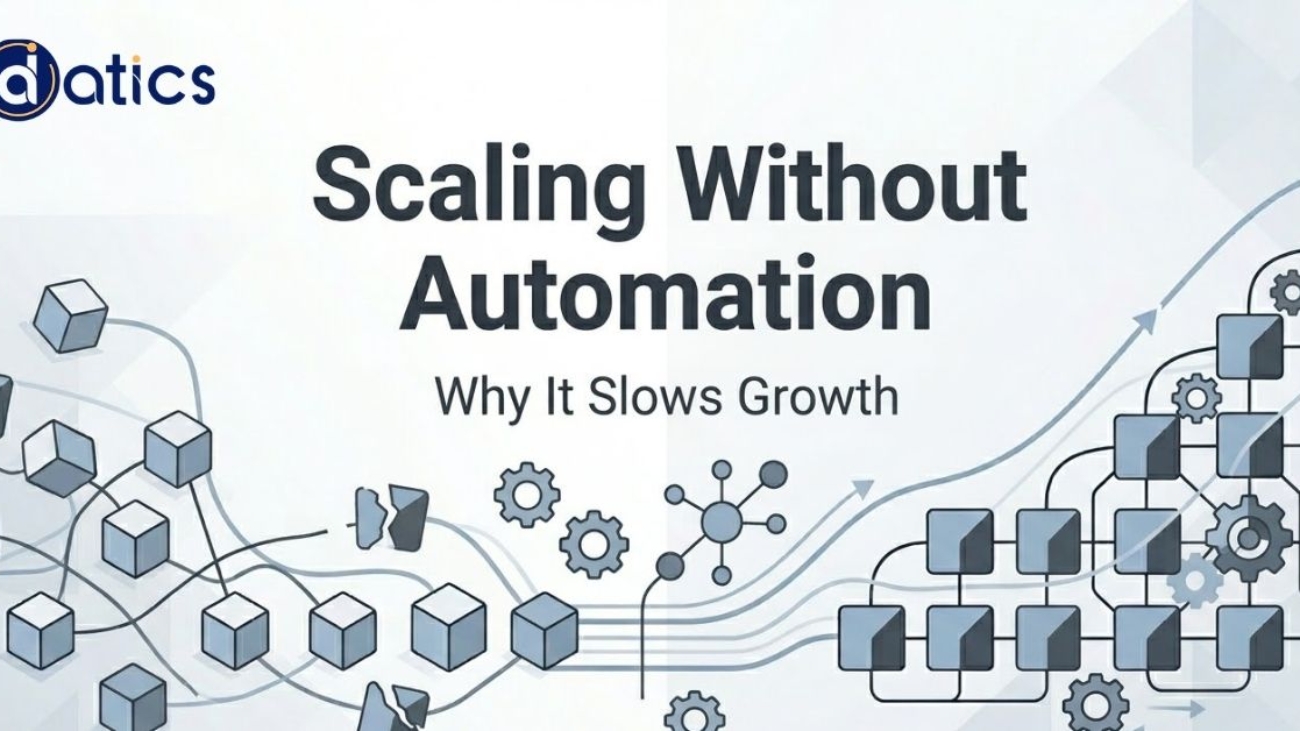
Why Scaling Without Automation Slows Growth

Scaling is a critical milestone for any growing business, yet many startups and businesses face significant challenges when it comes to scaling effectively. Growth isn’t simply about getting bigger; it’s about growing smartly and sustainably. Scaling without automation can introduce unnecessary complexity, reduce efficiency, and eventually slow growth.

For beginners, it’s easy to assume that simply increasing output will lead to success. However, scaling requires more than just doing more work. Without automation, processes become cumbersome, and inefficiencies compound as teams grow. The ability to scale successfully is often defined by how well systems are automated to keep up with increased demand.

The Role of Automation in Scaling Digital Products

In digital product development, scaling is a journey that starts with ensuring your systems, processes, and workflows can handle increasing demands without losing quality. Automation services play a crucial role in this process by streamlining repetitive tasks, optimizing workflows, and ensuring consistency.

Automation ensures that as more users or data are added to your product, it can scale smoothly without the need for significant increases in manpower or resources. Rather than relying on manual intervention, automation ensures efficiency at scale, improving productivity and allowing teams to focus on high-value tasks rather than operational bottlenecks.

The Risks of Scaling Without Automation

Scaling without automation can lead to numerous problems. Here are some common risks that businesses face when they try to scale their operations manually:

  1. Increased Operational Costs: Without automation, you may need to hire more staff to handle the increasing demand, which leads to rising operational costs. This makes scaling expensive and unsustainable.

  2. Decreased Efficiency: Manual tasks, such as data entry, reporting, and customer support, become increasingly time-consuming and prone to error as the business grows. Automation can handle these tasks quickly and accurately.

  3. Inconsistent Customer Experience: As businesses scale, the customer experience can suffer if it’s managed manually. Automation ensures that your customers receive consistent and timely service, regardless of how much the business grows.

  4. Inability to Adapt Quickly: Scaling without automation means you will likely be bogged down by slow manual processes. Automation allows businesses to adapt and respond to changes quickly, improving agility in the marketplace.

Understanding the importance of How To Scale Digital Products is crucial to mitigating these risks. Automation empowers businesses to scale without compromising quality or efficiency.

How Automation Helps Businesses Scale Without Losing Quality

Automation allows businesses to maintain or even improve the quality of their products and services as they scale. Here’s how it works:

  • Efficient Processes: Automation helps streamline workflows by eliminating repetitive tasks. This frees up time for employees to focus on more strategic and creative tasks that drive growth.

  • Scalability: As businesses grow, manual processes become increasingly difficult to manage. Automation ensures that systems can scale seamlessly to handle the increased volume of work without any additional strain on resources.

  • Data-Driven Decisions: Automated systems can collect and analyze data in real-time, allowing businesses to make informed decisions based on accurate, up-to-date information. This data-driven approach improves decision-making and minimizes guesswork.

For businesses focused on scaling, Datics Solutions LLC emphasizes the role of automation in ensuring smooth growth without compromising operational integrity or customer satisfaction.

When Is the Right Time to Invest in Automation?

Investing in automation early is crucial for scaling efficiently. Many businesses wait too long to adopt automation, only to find themselves struggling to keep up as growth accelerates. Here’s when to start thinking about automation:

  • When Repetitive Tasks Dominate: If your team spends significant time on repetitive, manual tasks, it’s time to consider automation. These tasks are prime candidates for automation, which can free up valuable resources for strategic work.

  • When Quality Starts to Suffer: If scaling begins to compromise the quality of your product or service, it’s a clear sign that automation is needed. Automation ensures that the product maintains its standards as it grows.

  • When You Want to Maintain Flexibility: Automation allows businesses to scale while remaining flexible and agile. It removes bottlenecks and allows you to focus on what matters most.

How Automation Supports Long-Term Business Growth

Automation is not just about solving immediate scalability problems; it’s about setting the stage for long-term growth. As a business scales, the complexity of managing its operations increases. Automation provides the systems and processes needed to handle this complexity.

By adopting automation early on, businesses position themselves for sustained growth. It allows companies to scale efficiently, maintain consistency, and deliver quality, even as demands increase.

Conclusion

Scaling without automation is like trying to run a marathon while carrying a heavy load. At first, it might seem manageable, but over time, it slows you down. By investing in automation, businesses can scale efficiently, reduce costs, and ensure consistent quality.

For beginners, understanding the role of automation in scaling is essential. It is not just a tool for large businesses; automation empowers small and medium-sized businesses to grow in a sustainable and smart way. When used correctly, automation is the key to turning short-term growth into long-term success.

FAQs

What is business automation?

Business automation refers to using technology to perform tasks or workflows automatically, reducing the need for manual intervention.

How does automation help businesses scale?

Automation enables businesses to manage increasing demands without adding significant resources, reducing costs and improving efficiency.

When should businesses start using automation?

Businesses should start automating when repetitive tasks consume significant time or when scaling operations becomes challenging.

What are the risks of scaling without automation?

Scaling without automation can lead to inefficiencies, increased operational costs, and inconsistent customer experiences.

Can automation improve customer satisfaction?

Yes, automation helps deliver consistent and timely service to customers, improving satisfaction and loyalty.

Scaling Challenges Fast-Growing Software Companies Face

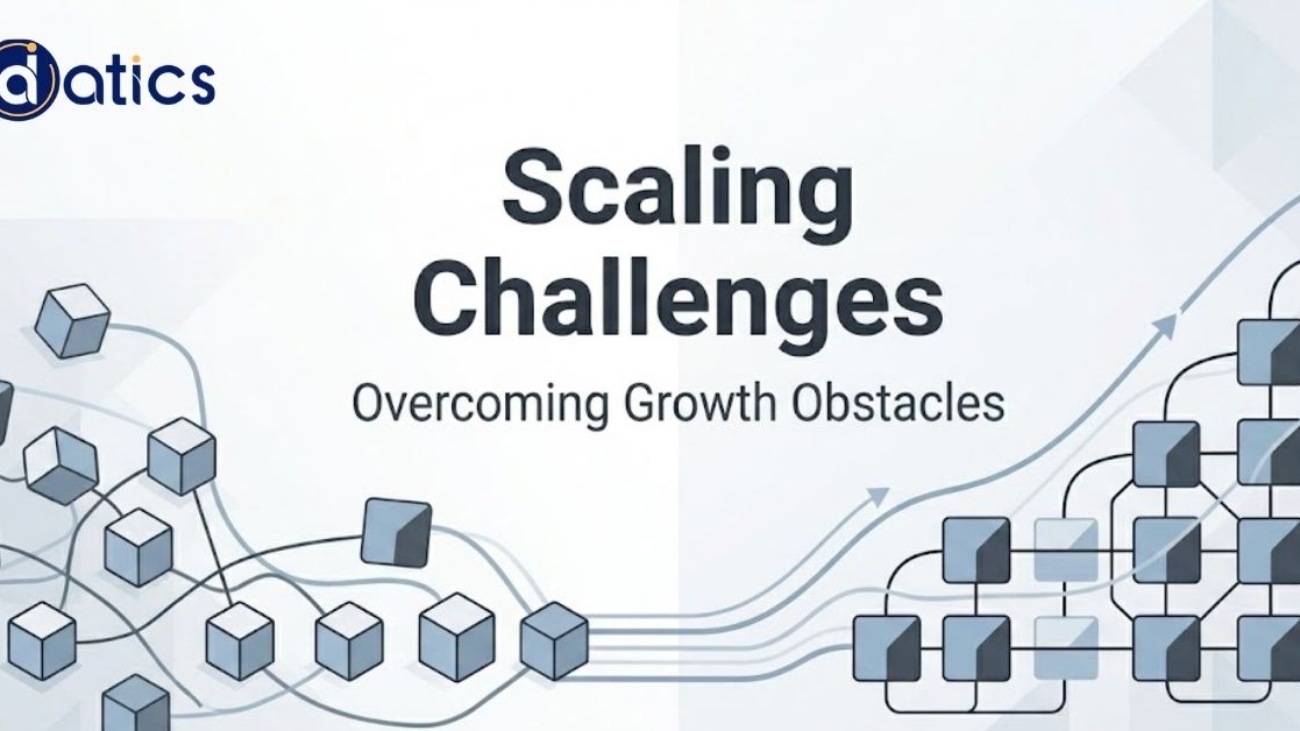
Scaling Challenges Fast-Growing Software Companies Face

In the early stages of a software company’s life, growth feels like a series of exciting wins. Product-market fit is found, initial customers are onboarded, and excitement surrounds the future. However, as the company grows rapidly, new challenges emerge challenges that often threaten to disrupt the business’s momentum. Understanding these scaling challenges is essential for avoiding pitfalls and ensuring that growth continues to be sustainable.

For beginners, scaling may sound like just “growing the business,” but it’s more nuanced than that. Successful scaling requires strategic changes, proper systems, and effective automation. Without these foundations, rapid growth often leads to misalignment, inefficiency, and missed opportunities. Recognizing these challenges and proactively addressing them sets the foundation for long-term success.

What is Scaling, and Why Does It Matter?

Scaling refers to the process of growing a company without sacrificing its operational effectiveness, customer experience, or profitability. While every company strives for growth, scaling is different from simple growth. It’s about growing with control. For software companies, scaling means adapting internal systems, processes, and resources to handle an increased number of users or customers without adding complexity.

In a fast-growing software business, scaling challenges arise from both internal operations and customer-facing services. This makes it crucial to have systems in place that can grow with the company. Without proper automation services, for example, manual processes often start to break down under pressure.

Common Scaling Challenges Software Companies Face

1. Maintaining Product Quality While Scaling

As the number of users increases, maintaining product quality becomes increasingly difficult. New features may need to be added, but this often comes at the cost of existing functionality. Rapid growth can expose bugs and glitches that weren’t visible during the earlier stages of the product.

To scale effectively, teams need to create a robust product roadmap and adopt quality control processes that allow them to scale without compromising the user experience.

For beginners, it’s essential to understand that scaling a product does not mean launching new features for the sake of growth. Instead, it’s about iterating and improving based on user feedback.

2. Operational Efficiency and System Complexity

One of the most significant scaling challenges for software companies is the complexity of operations. As the business grows, new systems, departments, and processes emerge, and they can often be difficult to manage without automation. Without the right tools in place, business operations can quickly become cumbersome, leading to inefficiencies that hinder growth.

Automation becomes essential here. The ability to automate key processes, whether it’s user data handling, customer support, or sales workflows, can save time and increase consistency. How to scale digital products without breaking systems explains how automation can help reduce operational friction.

3. Managing Customer Expectations at Scale

Early-stage software companies often have a close-knit relationship with their users. Founders and teams know their customers well and can respond quickly to feedback. However, as the customer base grows, so does the challenge of providing personalized, responsive support. This is where the scaling challenge of customer expectations becomes evident.

Ensuring that customers feel valued and heard while managing a growing number of requests is a delicate balance. Customer support and relationship management systems need to scale alongside customer growth. Automation and smart CRM systems play a crucial role in keeping customers engaged.

4. Cash Flow Management and Profitability

Many software companies struggle with cash flow during the scaling phase. Even though revenue may be growing, it’s common to see expenses rise faster than profits due to the increased costs of sales, marketing, and development. Managing cash flow effectively becomes critical for ensuring that the business can support its expansion efforts.

A strategic approach to automation service can help manage costs and improve profitability. By automating key business functions, companies can reduce labor costs and free up resources for more strategic initiatives. Learning how to automate intelligently can help businesses scale in a sustainable way.

5. Team Growth and Maintaining Company Culture

Scaling a software company requires bringing in new talent. However, as teams expand, maintaining the company culture and ensuring that new hires align with the company’s values becomes increasingly difficult. A growing team must work efficiently and collaboratively, but without the proper onboarding, communication, and collaboration systems, things can fall apart.

Leaders must establish strong processes and frameworks that facilitate effective collaboration and alignment. Automation tools, like communication systems and project management software, can help keep everyone on the same page, allowing teams to scale effectively without losing sight of the company culture.

How Automation Helps Software Companies Scale Efficiently

Automation isn’t just for large enterprises, it’s an essential tool for small to medium-sized software companies too. Automation can streamline workflows, reduce manual errors, and provide real-time data that helps managers make smarter decisions. As companies grow, automation can handle repetitive tasks like customer support, data entry, sales tracking, and even marketing, giving the team more time to focus on strategic growth.

By integrating automation systems early, software companies can scale without adding unnecessary overhead. Instead of adding people to manage more work, automation allows businesses to handle more work without increasing complexity or cost.

When to Invest in Scaling Services

The decision to invest in scaling services, such as automation, should be made when a company faces consistent, repeatable tasks that take up too much time or are prone to human error. This is a good indicator that automation can provide a real benefit. Additionally, when a company is reaching the point where customer volume is increasing and manual processes start to fail, scaling services become essential to maintaining customer satisfaction and operational efficiency.

For beginners, investing in scaling services isn’t just a technical decision—it’s a strategic one. It’s about preparing the business for sustainable growth.

Conclusion

Scaling a software company involves navigating complex challenges, but these challenges are far from insurmountable. By leveraging automation services, focusing on quality control, and developing a structured approach to managing customer expectations, teams can successfully scale without sacrificing their product’s integrity.

For beginners, understanding the value of automation and clear product direction early on will set a solid foundation for long-term success. Datics Solutions LLC helps software companies implement scalable systems to ease the growing pains of expansion and ensure continued success.

FAQs

What is the first step in scaling a software company?

The first step is to ensure that your product can handle more users without compromising quality or performance. Once that’s achieved, you can focus on scaling operations and customer service.

When should software companies invest in scaling services?

When repetitive tasks start consuming too much time, or when customer volume increases beyond the capacity of manual systems, it’s time to consider scaling services like automation.

Can automation replace employees?

Automation doesn’t replace employees; it enhances their ability to focus on more strategic, creative tasks. It’s about improving efficiency, not eliminating jobs.

How does scaling affect company culture?

Scaling requires strong leadership and processes to maintain company culture. While automation can streamline operations, it’s essential to nurture collaboration and communication as the team grows.

What are the risks of scaling too quickly?

Scaling too quickly without the proper infrastructure can lead to operational inefficiencies, customer dissatisfaction, and resource strain. A steady, planned approach ensures sustainable growth.

Early Signs Your Product Is Ready to Scale

Early Signs Your Product Is Ready to Scale

Scaling a product is an exciting milestone for any business. However, before diving into the process, it’s important to ensure that your product is truly ready for the challenges that come with scaling. Many beginners rush to scale before understanding whether their product is equipped to handle the increased demand, complexity, and operational requirements.

Recognizing the early signs that your product is ready to scale can save time, resources, and help prevent costly mistakes down the road. In this blog, we’ll explore key indicators that show your product is primed for growth and how to scale efficiently without losing quality or user satisfaction.

What Does It Mean to Scale a Product?

Scaling a product means adapting it to handle a larger volume of users, transactions, or data without compromising performance. Unlike simple growth, scaling requires a thoughtful approach to ensure that the product remains reliable, efficient, and scalable long-term.

For many beginners, scaling is often perceived as simply increasing the number of users or expanding into new markets. However, the real challenge is maintaining a balance between growth and operational efficiency. Scaling effectively means building systems, processes, and teams that can grow alongside your product.

A structured approach to scaling often starts with understanding whether your product is ready for expansion or if foundational work is still needed. Without clear direction, scaling efforts can lead to instability.

Early Indicators Your Product Is Ready for Scaling

So, how do you know when it’s time to scale? Here are some key signs that show your product is ready to handle the challenges of rapid growth:

1. Consistent Product-Market Fit

The first sign that your product is ready for scaling is a proven product-market fit. This means that your target audience is not only using your product but is also seeing value in it. If customers consistently engage with your product, provide positive feedback, and refer others, it’s a good indication that your solution is resonating with the market.

The stability of your product-market fit signals that the core offering is strong and scalable. It ensures that you’re not just serving a small, niche group, but that your product can meet a broad demand.

2. Scalable Infrastructure

If your infrastructure can handle increased demand without compromising performance or speed, it’s a clear sign your product is ready to scale. This involves assessing both your backend systems (e.g., databases, servers) and frontend user experience (e.g., UI/UX, load times).

A scalable product can adjust to growing volumes, handle more transactions, and support more users without significant downtime or performance dips. If your product’s infrastructure has been designed with scalability in mind, you are on the right track.

3. Clear, Repeatable Processes

As your product grows, operational processes need to scale as well. This includes customer support, marketing, sales, and distribution. A product that is ready for scaling has clearly defined and repeatable processes that allow teams to work efficiently and consistently.

If your business operations run smoothly, with established workflows that don’t depend on constant human intervention, this is a solid indicator that your product can scale successfully. Without this, expanding operations can quickly become chaotic.

4. A Proven Customer Support System

One of the biggest challenges during scaling is maintaining customer satisfaction. If your product is ready to scale, you need to have a robust customer support system in place. Customers need to receive timely assistance as they encounter issues or have questions.

Automated support systems, like chatbots or self-service portals, can help scale customer service without increasing headcount. Having support systems that can adapt to growing demands without compromising quality is key to sustainable scaling.

5. Predictable Revenue Model

A predictable and consistent revenue model is another critical indicator that your product is ready for scaling. This could be from recurring subscriptions, regular sales, or other steady revenue streams. When you can forecast revenue with reasonable accuracy, you can plan for growth and allocate resources more efficiently.

Scalable businesses often benefit from models that provide predictability. If your revenue is volatile and unpredictable, it may be necessary to focus on stabilizing and refining your product and processes before scaling.

How Scaling Your Product Without Clear Direction Can Lead to Failure

While scaling can be an exciting growth opportunity, it can also lead to significant risks if done too hastily. If you scale without clear direction or a strong foundation, you may face issues like:

  • Quality degradation: If you scale too quickly, the quality of your product may suffer, leading to customer dissatisfaction.

  • Operational inefficiencies: Scaling without optimizing processes can lead to operational bottlenecks that slow down progress.

  • Financial strain: Poorly managed scaling can result in wasted resources and unsustainable growth costs.

To avoid these issues, it’s essential to seek software scaling services early in the process and ensure you have a clear strategy for how your product will evolve.

When to Invest in Scaling Services

Investing in professional scaling services is a strategic decision that can save time and money in the long run. As your product shows consistent signs of growth, it’s important to assess whether you’re equipped to scale efficiently. If you’re unsure about your infrastructure, processes, or strategies, seeking professional help can guide you through this critical phase.

Datics Solutions LLC offers expert software scaling services that help businesses transition from growth to sustainable scaling with a strong foundation. Our team ensures that you can scale confidently and avoid the common pitfalls that lead to failure.

Conclusion

Recognizing the signs that your product is ready to scale is crucial to ensuring long-term success. By focusing on product-market fit, infrastructure readiness, clear processes, customer support, and a predictable revenue model, you can set your product up for sustainable growth.

For beginners, understanding when to scale and how to do it strategically can prevent unnecessary risks and help build a product that can thrive as it grows. Make sure you have a clear direction before scaling, and consider partnering with Datics Solutions LLC to streamline the scaling process.

FAQs

What is the first step in scaling a product?

The first step is ensuring that your product has achieved product-market fit and is meeting the needs of your target audience consistently.

How do I know if my product is ready for scaling?

Signs include consistent user growth, a scalable infrastructure, repeatable processes, and stable revenue models.

What are common challenges when scaling a product?

Common challenges include maintaining product quality, managing operational complexities, and handling customer service as the user base grows.

Can scaling affect the quality of the product?

Yes, if scaling is done too quickly without adequate preparation, it can lead to quality issues and customer dissatisfaction.

Why is having a clear product direction important for scaling?

A clear direction ensures that innovation is aligned with long-term goals, preventing scattered efforts that can destabilize the product as it grows.

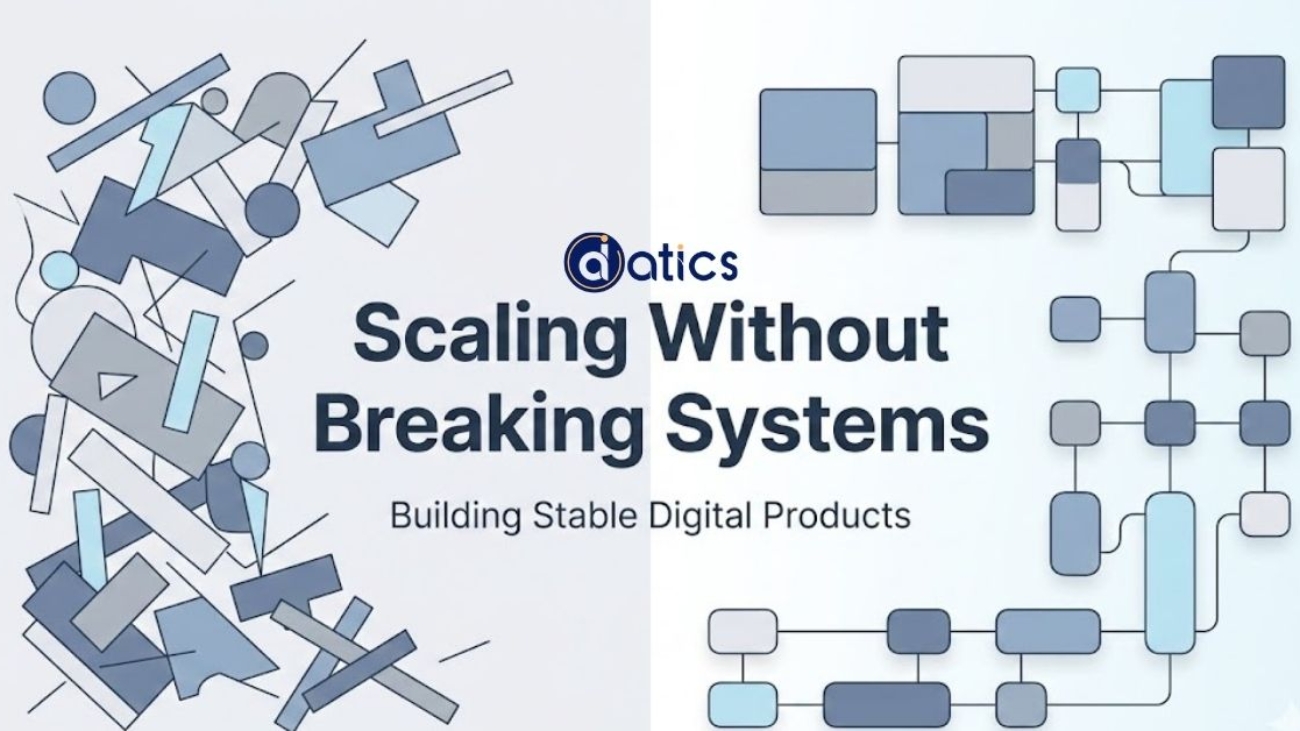
How to Scale Digital Products Without Breaking Systems

How to Scale Digital Products Without Breaking Systems

Scaling digital products can feel like a daunting challenge, especially when the pressure is high to grow quickly. However, scaling isn’t just about increasing your product’s user base or adding more features it’s about doing so in a way that doesn’t compromise the core functionality of your product or overwhelm your team. When scaling is rushed or poorly executed, it often leads to technical debt, system failures, and a drop in user satisfaction.

For beginners, scaling may seem like a distant problem, but understanding how to scale early on can prevent many of these issues from arising later. Learning how to scale with intention helps businesses maintain stability while reaching new heights.

Early Signs Your Product Is Ready to Scale

Before diving into scaling, it’s essential to recognize when your product is truly ready for it. Scaling prematurely can overwhelm your systems, lead to inefficiencies, and create unnecessary stress on your team. However, waiting too long to scale can mean missed opportunities and a bottleneck that prevents growth.

Key signs that your product is ready to scale include:

  • Increased demand: Your product is consistently receiving more users or more traffic than it was originally designed for.

  • Stable performance: Your product’s infrastructure can handle your current load without performance degradation.

  • Validated product-market fit: You’ve confirmed that your product solves a real problem and has a growing user base that’s willing to pay for it.

Once these indicators are clear, it’s time to start planning for scaling.

Scaling Challenges Fast-Growing Software Companies Face

While scaling is exciting, it comes with unique challenges. As your software company grows, so does the complexity of your operations. Scaling too quickly or without a clear strategy can create bottlenecks that slow progress or cause service disruptions.

Common Challenges Include:

  • Increased operational costs: As you scale, you may face rising operational costs, particularly with increased customer support needs or infrastructure expenses.

  • System instability: Scaling without proper planning can lead to technical debt, performance issues, or even system crashes as your infrastructure struggles to support increased traffic.

  • Team alignment: As your team expands, maintaining clear communication and alignment across departments becomes more challenging, leading to inefficiencies.

  • Data management: Managing larger volumes of data while ensuring accuracy and consistency becomes more complex as your product grows.

Addressing these challenges early on requires foresight and careful planning, which can be achieved with a solid scaling strategy.

Why Scaling Without Automation Slows Growth

Automation is one of the most powerful tools for scaling digital products. It helps reduce manual work, streamline operations, and create systems that can support growth without exponentially increasing overhead costs.

Without automation, businesses may find that their teams are constantly bogged down with repetitive tasks, such as manual data entry or responding to simple customer queries. These tasks divert attention from higher-value work, leading to delays and inefficiencies.

In fact, scaling without automation often means scaling your team instead of scaling your systems, which can be an unsustainable approach as demand grows.

For beginners, automation services like workflow automation, data synchronization, and customer service automation can save time, improve efficiency, and enable your team to focus on higher-level strategic work.

How Automation Helps Scale Without Breaking the System

Automation allows teams to streamline workflows and processes, making it easier to handle more users, more data, and more complexity without compromising performance.

Here’s how automation supports scaling:

  1. Consistency: Automation ensures that tasks are done the same way every time, eliminating human error and ensuring consistency in user experience.

  2. Scalability: By automating routine tasks, you free up resources to handle growth without overburdening your team.

  3. Faster decision-making: Automation helps in data-driven decision-making by providing real-time insights into performance, allowing faster reactions to market or product shifts.

As Datics Solutions LLC advises, introducing automation at the right time can enable companies to scale smoothly and sustainably, setting the stage for long-term success.

Why Software Maintenance Is Critical After Product Launch

While scaling, maintenance is often overlooked, but it plays a critical role in ensuring the long-term health of your product. Scaling isn’t just about growing; it’s about maintaining the systems you already have while adding new capabilities.

Why Software Maintenance Is Critical After Product Launch explains how continual maintenance supports scaling by keeping your systems stable, secure, and optimized. Without proper maintenance, your product’s performance can degrade, and its ability to handle new users and features will be compromised.

A balance between scaling and maintaining your systems is essential for healthy, sustainable growth.

Conclusion

Scaling digital products is a delicate balance of expanding capacity while maintaining stability. Innovation alone won’t get you there. A strategic approach that includes automation, robust systems, and careful product direction ensures that growth happens without breaking the product.

For beginners, understanding the signs of readiness, preparing for common scaling challenges, and integrating automation early on helps avoid critical failures during growth. By scaling thoughtfully, you can ensure that your product can handle the increased demand while providing a consistent, high-quality experience for your users.

FAQs

What does it mean to scale a digital product?

Scaling a digital product means growing its user base, functionality, and capacity while maintaining stability and performance.

When is the right time to scale my product?

The right time to scale is when your product is experiencing consistent demand, has a stable infrastructure, and has achieved product-market fit.

Why is automation important for scaling?

Automation helps businesses streamline processes, reduce manual work, and improve efficiency, enabling faster and more sustainable growth.

What challenges do companies face when scaling their product?

Challenges include rising operational costs, system instability, misalignment across teams, and managing increasing volumes of data.

How can maintenance support scaling efforts?

Proper maintenance ensures that your product’s systems remain stable, secure, and optimized while supporting new users and features.

Learn how ongoing software maintenance ensures long-term product stability, security, and user trust, helping businesses scale effectively without losing quality.

How Ongoing Maintenance Improves Product Stability and Trust

The product launch is just the beginning. For software to continue growing and adapting, it requires constant upkeep. This is where ongoing software maintenance becomes essential. While many beginners might view maintenance as an afterthought, it is actually a core part of building trust, reliability, and long-term success.

For products to remain stable and trustworthy, regular maintenance is key. Without it, users begin to notice inconsistencies, experience bugs, and lose faith in the software. Software maintenance prevents these issues, ensuring that the product is constantly evolving and improving to meet user needs.

Why Ongoing Maintenance Is Crucial for Product Success

When a product is first launched, it’s exciting. The team has spent months, sometimes years, perfecting the software. But the true work begins after the initial launch. Ongoing maintenance ensures the software remains relevant, secure, and free from bugs that can cause serious issues for users.

Without continuous updates, the software starts to degrade. Security vulnerabilities increase, performance slows down, and user experience deteriorates. This affects not only the product’s functionality but also its reputation. Datics Solutions LLC ensures that its maintenance strategy focuses on consistency and quality over the entire product lifecycle.

How Ongoing Maintenance Builds Trust with Users

Trust is the foundation of any successful product. Users must feel confident that a product will function as expected, and if problems arise, they will be promptly addressed. Ongoing maintenance fosters this trust by ensuring that software stays current with security patches, system updates, and performance improvements.

When users experience a product that is constantly improving and adapting, their confidence grows. The software feels stable, reliable, and future-proof, making users more likely to stay loyal.

For beginners, this lesson is vital: building trust is not a one-time effort; it requires consistent care and attention.

How Maintenance Improves Product Stability Over Time

Stability is a critical factor in user satisfaction. A product that crashes or has bugs can frustrate users, causing them to seek alternatives. Ongoing maintenance prevents these issues by addressing bugs, errors, and system vulnerabilities as they arise.

For beginners, understanding that stability is built over time through software maintenance service is crucial. The more a product is maintained, the more stable it becomes. Software that remains stable over time is trusted by users and continues to perform at a high level.

Common Software Maintenance Mistakes Businesses Make

Although ongoing maintenance is essential, businesses often make common mistakes when approaching it. One of the biggest mistakes is neglecting maintenance until problems arise. Reactive maintenance can cause downtime, user frustration, and negative reviews.

Another mistake is failing to properly plan maintenance schedules. Ignoring regular updates or letting too much time pass between maintenance efforts can result in outdated software that doesn’t meet evolving user needs.

For businesses, it’s crucial to plan maintenance as part of the product roadmap, ensuring consistent, proactive improvements.

The Benefits of Ongoing Maintenance for Long-Term Success

Ongoing software maintenance isn’t just about fixing bugs or improving performance; it’s about supporting long-term success. Maintenance helps identify opportunities for new features, improvements in design, and adjustments to meet user feedback. This iterative process ensures that the product evolves alongside the users it serves.

By regularly investing in maintenance, businesses can increase product longevity, boost user satisfaction, and ensure their product remains competitive in an ever-changing market.

When to Start Focusing on Software Maintenance

The best time to start focusing on maintenance is immediately after launch. For beginners, this often means building a long-term maintenance plan that includes regular updates, bug fixes, performance checks, and user feedback loops. Starting early prevents bigger issues down the road and ensures that the product stays ahead of problems rather than reacting to them.

The sooner maintenance becomes a priority, the more resilient the product will be as it scales and adapts to new challenges.

Conclusion

Ongoing software maintenance is not just a necessary evil. It’s a strategic effort that ensures product stability, security, and user trust. As businesses scale, maintaining the product’s integrity becomes just as important as building it in the first place.

For beginners, embracing a proactive maintenance strategy is key to long-term product success. When software is maintained regularly, it becomes more than just a tool; it becomes a trusted solution that users can rely on for years to come.

FAQs

What is software maintenance?

Software maintenance involves keeping a product updated, fixing bugs, improving performance, and adding new features to ensure long-term stability and user satisfaction.

Why is ongoing maintenance so important?

It helps maintain product stability, security, and performance, ensuring users continue to trust and rely on the product.

When should I start focusing on software maintenance?

Start immediately after launch to ensure your product remains reliable and adapts to evolving user needs.

How does maintenance affect product trust?

Regular maintenance builds trust by ensuring the product functions reliably, fixes issues promptly, and stays secure over time.

What are common mistakes in software maintenance?

Neglecting regular updates, being reactive instead of proactive, and failing to plan maintenance schedules effectively.